
How to Keep Deer and Rabbits Out of Your Garden
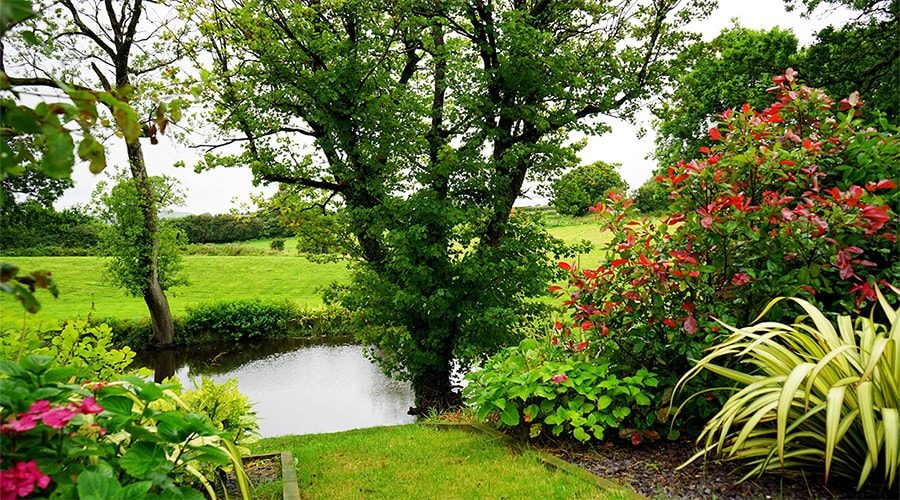
There is a particular kind of heartbreak that comes from walking out on a June morning to find your lettuce mowed to the ground, your tulips beheaded, and your young bean plants reduced to bare stems. Deer and rabbits are two of the most common and most frustrating garden visitors in North America. They are charming to watch from a distance, but they can undo weeks of work in a single night.
Here in western Oregon, black-tailed deer wander through suburban yards as if they own them, and brush rabbits are never far from the hedgerows. Over the years I have tried just about every deterrent imaginable, and I have learned that no single trick works forever. What does work is a layered strategy: correctly identifying who is doing the damage, putting up the right kind of barrier, backing it up with repellents and smart plant choices, and adjusting your approach with the seasons.
This guide covers all of it, including fence heights and mesh sizes, how to use repellents so they actually last, which plants these animals tend to leave alone, and humane ways to encourage them to go elsewhere.
Identify the Damage: Deer or Rabbit?
Before you spend money on fencing, make sure you know who you are dealing with. A fence built for rabbits will not stop a deer, and a tall deer fence with wide mesh will let rabbits stroll right through.
Signs of Deer
- Torn, ragged cuts. Deer have no upper front teeth, so they rip and tear foliage, leaving a rough, shredded edge.
- Damage at height. Browsing occurs anywhere from ground level up to about 6 feet.
- Hoofprints. Split, heart-shaped tracks about 2 to 3 inches long in soft soil.
- Droppings. Clusters of dark, oblong pellets, often left in piles.
- Antler rubs. In late summer and fall, bucks strip bark from young trees, leaving frayed bark and scarred trunks between knee and waist height.
Signs of Rabbits
- Clean, angled cuts. Rabbits have sharp incisors that snip stems at a neat 45-degree angle, as if cut with a knife.
- Low damage. Rabbits rarely feed above about 2 feet, even when standing on their hind legs.
- Round droppings. Small, pea-sized, round pellets scattered near the damage.
- Gnawed bark. In winter, rabbits chew bark near the base of shrubs and young trees, often just above the snow line.
Quick Comparison
| Clue | Deer | Rabbits |
|---|---|---|
| Cut edge | Ragged, torn | Clean, angled |
| Feeding height | Ground to about 6 feet | Ground to about 2 feet |
| Droppings | Dark oblong pellets in clusters | Small round pellets, scattered |
| Tracks | Split hooves, 2–3 inches | Small front prints, long hind prints |
| Bark damage | Frayed rubs, knee to waist high | Gnawing near ground or snow line |
| Active times | Dawn, dusk, and night | Dawn, dusk, and night |
Pro tip: Not sure who is visiting? Smooth a patch of bare soil next to the damaged plants in the evening and check it at first light for tracks. An inexpensive trail camera will also settle the question quickly.
Fencing for Deer
A properly built fence is the only truly reliable way to keep deer out. Everything else reduces damage; a good fence prevents it.
Height
Deer can clear about 8 feet from a standing start when motivated. For a garden you want to be confident about, an 8-foot fence is the standard recommendation. Deer are less likely to jump a fence when they cannot see a clear landing spot, so a 6-foot solid privacy fence can sometimes work, but it is not a guarantee.
Materials
- Polypropylene deer mesh is lightweight, nearly invisible, and relatively inexpensive. It is ideal for home gardens but can be chewed through by rodents at the bottom.
- Welded or woven wire is stronger and longer lasting, and better where deer pressure is heavy.
- Metal T-posts or wood posts spaced about 10 to 15 feet apart provide support. Use sturdier posts at corners and gates.
Double Fences and Slanted Fences
Deer have poor depth perception and are reluctant to jump into a narrow space. Two parallel fences each about 4 to 5 feet tall, set 3 to 5 feet apart, can be surprisingly effective. A slanted fence angled outward at about 45 degrees is another option, since it forces the deer to attempt a long jump rather than a high one.
Electric Fencing
Electric fencing, especially a baited single-strand or polytape system, can train deer to avoid an area. Some gardeners attach foil strips smeared with peanut butter so deer investigate with their nose and get a memorable but harmless shock. Always follow the manufacturer's instructions and local regulations, and post warning signs.
Safety: Use only a UL-listed or equivalently certified energizer designed for livestock or garden fencing, never a homemade system. Keep electric fences away from areas where young children play, and turn them off when working nearby.
Fencing for Rabbits
Rabbit fencing is less about height and more about small openings and what happens underground.
Specifications
- Height: 2 to 3 feet above ground is enough for cottontails. Go to 3 feet or more if jackrabbits live in your area.
- Mesh size: 1 inch or smaller. Young rabbits can squeeze through surprisingly small gaps. Chicken wire or 1-inch hardware cloth works well.
- Burial depth: Bury the bottom edge 4 to 6 inches deep, or bend it outward in an L-shape about 6 inches along the ground and pin it down. Rabbits dig at the base of a fence, not far out from it.
Combining Deer and Rabbit Fences
If you have both animals, attach a 2- to 3-foot band of chicken wire or hardware cloth along the bottom of your deer fence. This is usually easier and cheaper than building two separate fences.
How to Build a Combination Fence, Step by Step
Here is the approach I use for a medium-sized vegetable garden.
- Mark the perimeter with stakes and string, leaving at least 2 to 3 feet between the fence and your beds so deer cannot reach over.
- Set corner and gate posts first. Use sturdy wood posts or heavy steel posts, driven or set at least 2 feet deep, and brace the corners.
- Install line posts every 10 to 15 feet along the string line.
- Dig a trench about 6 inches deep along the base of the fence line. A good flat spade makes this much faster; see our guide to types of shovels for the right choice.
- Attach the rabbit barrier first: 1-inch mesh, 3 feet tall, with the bottom edge set in the trench or bent outward. Backfill and tamp the soil.
- Hang the deer mesh from the top of the posts down to overlap the rabbit mesh by several inches. Stretch it taut and fasten it to posts every foot or so.
- Add a top wire or cable to support the mesh and prevent sagging.
- Build a self-closing gate that is as tall as the fence and closes tightly at the bottom. Gates are the most common weak point.
- Walk the fence weekly for the first month, checking for digging, gaps, or sagging.
Henry's note: On my first deer fence, I spent all my attention on height and forgot the gate. A doe learned within a week that she could nudge it open. A simple spring hinge and a gravity latch ended the problem for good. Never underestimate a hungry deer.
Repellents: What Works and How to Use Them
Where fencing is impractical, such as in ornamental front yards, repellents can significantly reduce browsing. They work by taste, smell, or both.
Types of Repellents
- Odor-based repellents use ingredients such as putrescent egg solids, garlic, or predator urine. They work at a distance and are often the most effective against deer.
- Taste-based repellents use bitter compounds or hot pepper. The animal has to take a bite to learn, so some damage may occur.
- Homemade mixes of egg, garlic, and hot pepper in water can work for a short time but typically need frequent reapplication.
Applying Repellents Effectively
- Start before damage begins. It is much easier to prevent a feeding habit than to break one.
- Reapply after heavy rain and on new growth, which is untreated.
- Rotate between two or three products with different active ingredients every few weeks so animals do not grow used to one.
- Do not apply taste-based repellents to edible parts of vegetables unless the label says it is safe for food crops.
A pump sprayer makes application quick and even. If you use one for repellents, dedicate it to that purpose and rinse it well afterward. Our guide to the garden sprayer covers choosing and caring for one.
Deer- and Rabbit-Resistant Plants
No plant is truly deer-proof or rabbit-proof. A hungry animal in a hard winter will eat almost anything. Still, some plants are consistently less appealing because they are aromatic, fuzzy, prickly, bitter, or toxic.
Plants Deer Tend to Avoid
- Aromatic herbs: lavender, rosemary, sage, thyme, oregano, catmint
- Perennials: yarrow, bee balm, Russian sage, lamb's ears, foxglove, bleeding heart, ornamental alliums, peonies
- Bulbs: daffodils, alliums, snowdrops, fritillaria
- Shrubs: boxwood, barberry, spirea, potentilla, butterfly bush
- Grasses and ferns: most ornamental grasses and many ferns
Plants Rabbits Tend to Avoid
- Marigolds, snapdragons, salvia, ageratum, and zinnias
- Onions, garlic, leeks, and most aromatic herbs
- Daffodils, alliums, and iris
- Lamb's ears, lavender, and catmint
Plants They Love
Be ready to protect these favorites: hostas, tulips, daylilies, roses, lettuce, beans, peas, pansies, young fruit trees, and nearly every brassica. Rabbits are especially drawn to tender seedlings of beans, peas, lettuce, and carrots.
Interplanting resistant, aromatic plants around vulnerable crops can make a garden less inviting overall. This overlaps with companion planting strategies I cover in companion planting for natural pest control.
Humane Scare Tactics and Deterrents
Scare devices exploit the natural caution of deer and rabbits. They can be very effective, but animals quickly learn to ignore anything predictable, so move and rotate them.
Motion-Activated Sprinklers
These are some of the best non-lethal tools I have used. A sudden burst of water startles deer and rabbits without harming them. Place them to cover main entry paths and move them every week or two. Our overview of sprinklers explains how different heads and spray patterns work.
Other Scare Tactics
- Motion-activated lights can discourage nighttime visits, especially early in the season.
- Noisemakers and wind chimes help briefly but lose effect fast.
- Reflective tape and spinners can startle animals if moved regularly.
- A dog that spends time in the yard is a strong deterrent, though it is not practical overnight for most households.
Habitat Modification
Rabbits need cover near their feeding area. Removing brush piles, tall weeds, and low tangles of shrubbery near your garden leaves them feeling exposed. Keep grass trimmed around the vegetable beds; a tidy, crisply edged border also reduces hiding spots along the perimeter. For deer, avoid putting out food, including bird seed spilled on the ground or fallen fruit left under trees.
Protecting Individual Plants
Cages of chicken wire or hardware cloth around young trees, shrubs, and tender crops are cheap and very effective. Row covers and cloches protect seedlings from rabbits. Wrap tree trunks with hardware cloth or plastic tree guards in winter to prevent bark gnawing and antler rubs.
A Seasonal Strategy
Animal behavior changes throughout the year, and your defenses should too.
Spring
This is when new growth is most tempting and young rabbits are everywhere. Get fences and cages up before seedlings emerge. Start repellent applications early, and protect tulips and emerging hostas.
Summer
Deer does are feeding fawns and have high nutritional needs. Keep repellents fresh after watering and rain, rotate products, and keep moving scare devices. Check fence bottoms for digging.
Fall
Bucks start rubbing antlers on young trees, so install trunk guards. Clean up fallen fruit, and consider switching to odor-based repellents as deer build fat reserves before winter.
Winter
In colder USDA zones, food is scarce and animals become much bolder. Rabbits gnaw bark at the snow line, so make sure tree guards extend above your typical snow depth. Deer may eat evergreens they ignore in summer. Burlap wraps or temporary fencing around arborvitae, yews, and rhododendrons can save them.
Common Mistakes
- Building a fence that is too short. A 4- or 5-foot single fence is a hurdle, not a barrier, for a determined deer.
- Using mesh with openings that are too large. Rabbits can slip through standard garden fencing with 2-inch openings.
- Not burying the fence bottom. Rabbits dig under barriers quickly.
- Waiting for damage before acting. Once animals learn your garden is a buffet, it is much harder to change their habits.
- Using the same repellent all season. Animals habituate. Rotate products.
- Leaving scare devices in one place. Predictable deterrents stop working within days or weeks.
- Trusting "deer-proof" labels. Resistant plants reduce damage; they do not prevent it when food is scarce.
- Forgetting the gate. A gap under or beside the gate undoes a great fence.
Pro tip: Talk to your neighbors. When several yards on a street use fencing and repellents, local deer tend to shift their routes entirely, and everyone benefits.
Conclusion
Keeping deer and rabbits out of your garden is not about finding one perfect product. It is about layering defenses. Identify the culprit first, then build a barrier that fits: tall for deer, low and tight for rabbits, and a combination when both are around. Back that up with rotated repellents, a planting palette that favors resistant plants, and scare tactics you move often.
Above all, stay a step ahead of the season. Put protections in place before the damage starts and adjust as the animals' needs change through the year. With a thoughtful, layered approach, you can enjoy watching wildlife from your window while your lettuce, tulips, and young trees stay right where you planted them.
Frequently Asked Questions
An 8-foot fence is the standard recommendation for reliably excluding deer. Double fences set 3 to 5 feet apart or solid fences that block the view of the landing area can work at lower heights, but they are less of a sure thing.
Use mesh with openings of 1 inch or smaller, at least 2 to 3 feet tall. Bury the bottom 4 to 6 inches deep or bend it outward along the ground so rabbits cannot dig underneath.
Repellents can significantly reduce browsing when applied before damage starts and reapplied after rain and on new growth. Rotating between products with different active ingredients helps prevent deer from getting used to any one of them.
Rabbits leave clean, angled cuts on stems usually less than 2 feet off the ground, along with small round droppings. Deer leave ragged, torn edges, can browse up to about 6 feet high, and leave split-hoof tracks and clusters of oblong pellets.
No plant is completely safe, but aromatic, fuzzy, or toxic plants such as lavender, daffodils, alliums, lamb's ears, and catmint are usually avoided. In hard winters or droughts, hungry animals may still sample them.
You Might Also Like

Companion Planting for Natural Pest Control
Learn how trap crops, aromatic herbs, and flowers for beneficial insects work together to reduce garden pests naturally, with specific pairings, plants to keep apart, and a simple layout plan.
Keep Reading
Types of Crickets
Are you interested in learning more about crickets? Crickets are fascinating insects that have been part of our lives, and while some run at the sight of one, others find them quite fascinating—the reason why…
Keep Reading
How to Keep Ants Out of Hummingbird Feeder
Have you had enough with ants all over your hummingbird feeder? Ants are fascinating insects that have been part of our lives since, well, quite frankly, forever. Though most of the time they go unnoticed,…
Keep Reading